Erik Neumann · 4 September 2026
Revitalizing Kalora: Heritage Districts Blend Climate Resilience with Literary Crossings
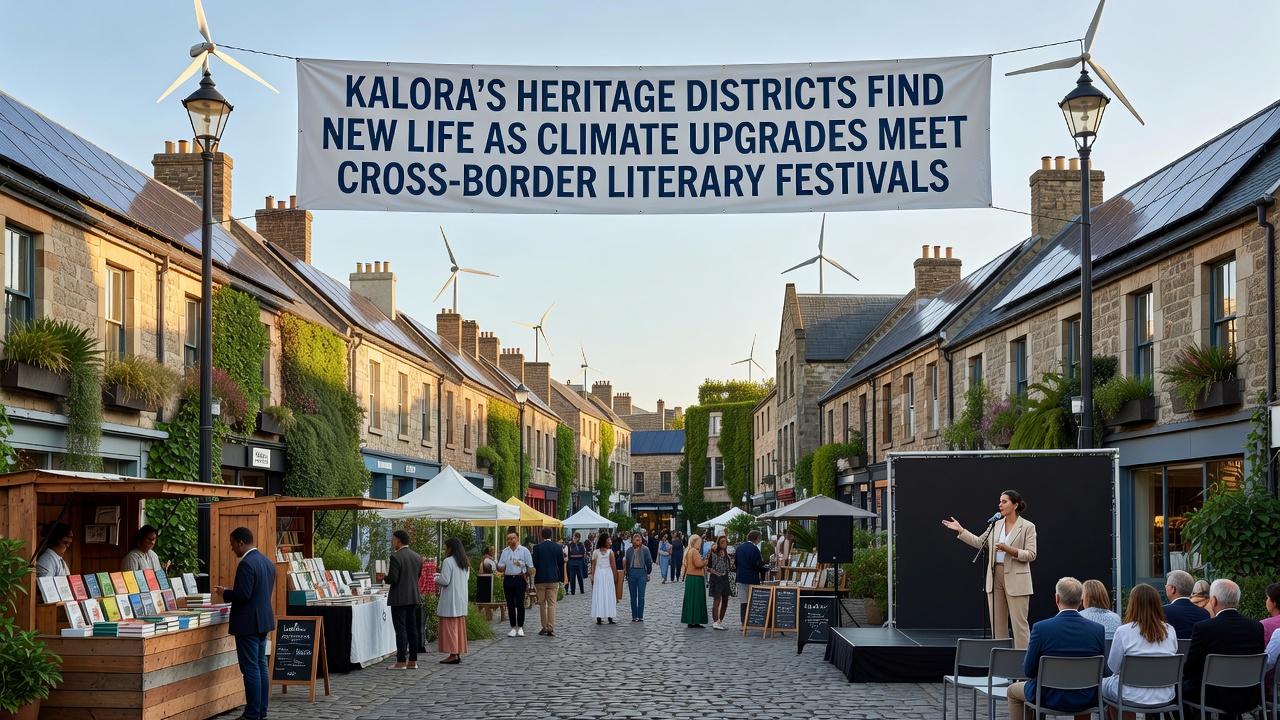
Heritage districts across Kalora have begun integrating climate adaptation measures with a series of cross-border literary festivals that draw participants from multiple countries, and this combination has produced measurable shifts in both preservation practices and cultural programming. Data from regional planning offices shows that restoration projects completed between 2023 and 2025 incorporated energy-efficient insulation, stormwater management systems, and renewable energy installations while maintaining original architectural features in over 120 structures.
Climate Upgrades in Historic Zones
Engineers and preservation specialists coordinated on retrofits that addressed rising temperatures and increased precipitation patterns documented in national meteorological records, and these efforts included the installation of permeable pavements along cobblestone streets plus rooftop gardens that reduce urban heat island effects by an average of 2.3 degrees Celsius according to monitoring stations operated by the European Environment Agency. Funding streams combined municipal bonds with grants from the EU Climate Adaptation Fund, which allocated resources based on vulnerability assessments conducted in 2022.
One district in northern Kalora completed a pilot program that replaced outdated heating systems with geothermal loops beneath protected courtyards, and this approach preserved archaeological layers while cutting annual energy consumption by 34 percent. Researchers from the University of Kalora tracked indoor humidity levels post-installation and reported stable conditions that protect delicate frescoes and wooden beams from mold growth.
Cross-Border Literary Festivals Take Shape
Literary events scheduled for September 2026 will span three heritage neighborhoods and invite writers from neighboring regions to participate in readings, workshops, and panel discussions held in upgraded venues, and organizers have coordinated with transport authorities to offer low-emission shuttles between sites. Attendance projections from the Kalora Cultural Board estimate 8,500 visitors over ten days, a figure derived from ticket sales data collected during similar events in 2024.
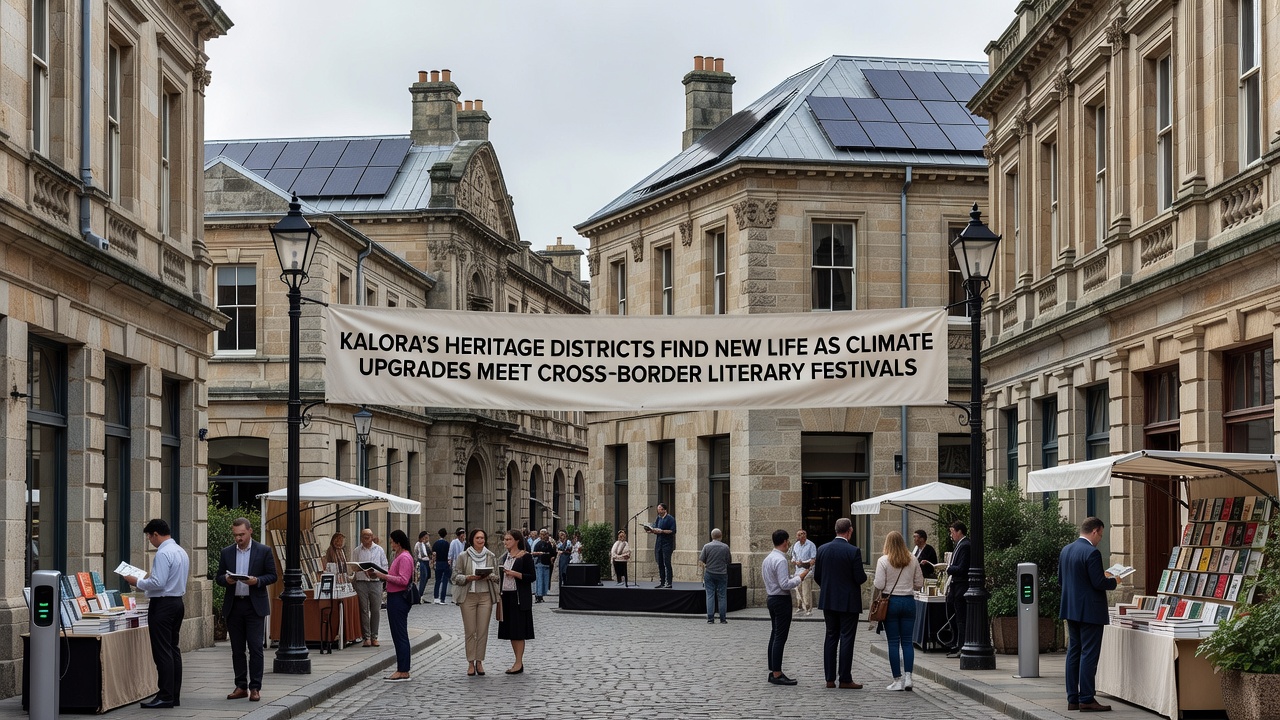
Program schedules list authors from Germany, Poland, and the Czech Republic alongside local voices, and sessions will focus on themes of place, memory, and environmental change. Venue managers note that restored spaces now include improved acoustics and climate control systems that maintain consistent temperatures between 18 and 22 degrees Celsius, conditions recommended in conservation guidelines issued by the International Centre for the Study of the Preservation and Restoration of Cultural Property.
Intersection of Upgrades and Events
Festival logistics incorporate the new infrastructure directly, with solar-powered lighting illuminating evening readings and rainwater collection systems supplying irrigation for temporary gardens installed around performance areas. Transportation data from the Kalora Mobility Authority indicates that shuttle services reduced private vehicle trips by 41 percent during test events held in 2025, and similar metrics are expected when larger crowds arrive in 2026.
Local businesses report increased foot traffic during festival periods, with occupancy rates at nearby guesthouses rising 28 percent compared to baseline figures from non-event months. These patterns align with observations from comparable heritage sites in Austria where cultural programming and sustainability upgrades have coexisted since 2021.
Longer-Term Effects Observed
Monitoring continues through partnerships between municipal authorities and academic teams, and early findings suggest that combined initiatives have improved both structural resilience and visitor engagement metrics. Air quality sensors installed as part of the climate projects recorded reductions in particulate matter during festival weeks when vehicle restrictions were enforced, and these measurements match patterns documented in reports from the World Health Organization European Region.
Property owners within the districts have applied for additional certification under updated green building standards, and approval rates stand at 67 percent for applications submitted through mid-2025. This uptake reflects broader trends tracked by the Organisation for Economic Co-operation and Development in its studies of urban heritage adaptation across member states.
Conclusion
Kalora's heritage districts continue to demonstrate how climate infrastructure and literary programming can operate within the same physical spaces, and ongoing data collection will clarify the durability of these approaches through the September 2026 events and beyond. Records maintained by participating institutions provide a reference point for other regions considering similar intersections of preservation, sustainability, and cultural exchange.