Gisela Albrecht · 30 October 2026
Kalora Youth Networks Fuse Privacy Reforms and Literary Forums to Renew Trade Links in Adapting Historic Zones
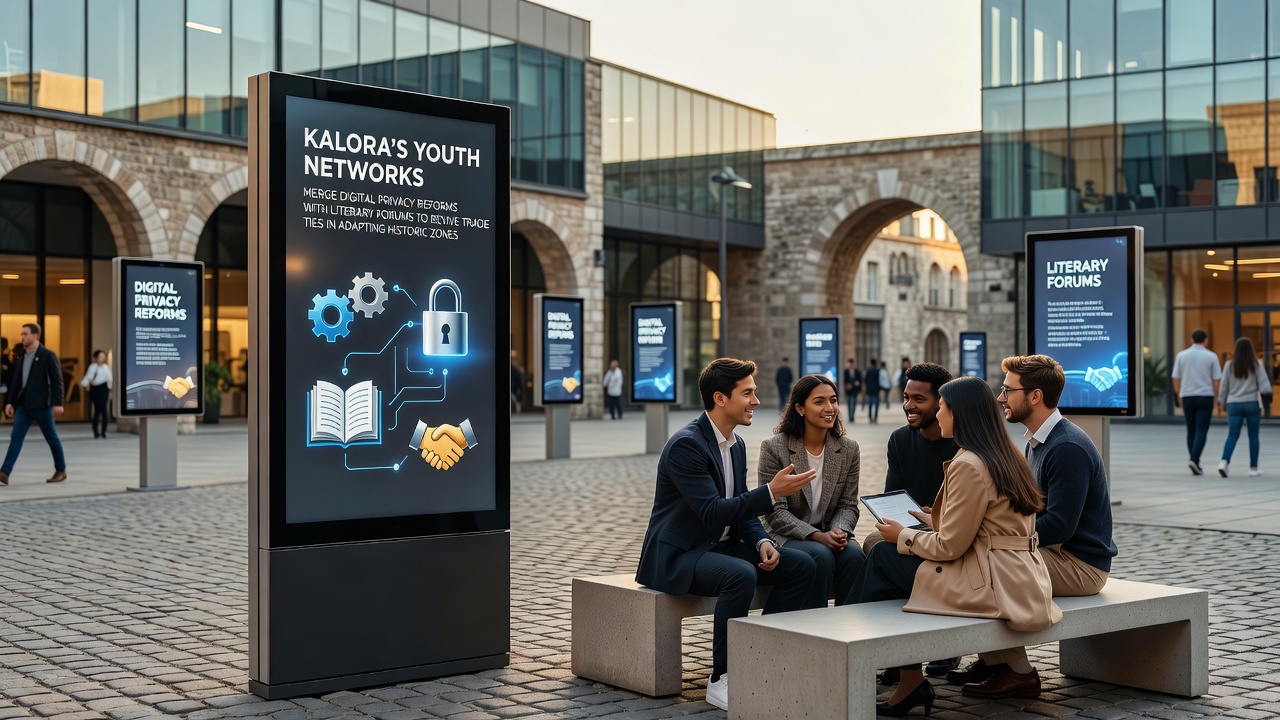
Youth networks across Kalora have started combining digital privacy reforms with literary forums as a way to revive trade ties in zones that continue adapting to new environmental and economic conditions, and this approach draws on coordinated efforts that began gaining momentum earlier in the decade. The programs operate in heritage districts where older trade routes once connected merchants and creators, yet recent updates focus on data protection standards alongside reading groups and writing workshops that encourage cross-border exchanges. Data from local monitoring bodies shows participation in these combined events rose steadily through 2025, with figures indicating hundreds of young participants engaging in both privacy training sessions and forum discussions each quarter.
Privacy Reforms Take Shape Alongside Literary Activities
Digital privacy measures in Kalora now include updated guidelines on data handling that align with broader European frameworks, and these rules require platforms used by youth networks to incorporate consent protocols and encryption practices. Literary forums hosted in the same venues provide spaces where participants discuss texts on trade history and innovation, while they also learn how to apply privacy tools during online collaborations. One study released by the University of Queensland in 2025 highlighted how such integrated programs helped small enterprises in similar districts maintain secure communication channels, and observers note that Kalora's version expands this model by tying literary events directly to trade matchmaking sessions.
Events Scheduled for October 2026
Preparations for October 2026 include a series of multi-day gatherings in the adapting historic zones where youth representatives will test new privacy-compliant platforms during live literary exchanges, and these sessions aim to connect local artisans with international partners through secure digital channels. Trade data collected by regional economic offices reveals that zones participating in earlier pilot programs saw a 15 percent increase in documented exchanges by mid-2025, while forums incorporated discussions on adapting infrastructure to support both climate resilience and continued commerce. The events will feature workshops that walk participants through encryption methods and then transition into group readings of trade-related literature, creating a seamless blend of technical and cultural elements.
Trade Ties Strengthen Through Coordinated Networks
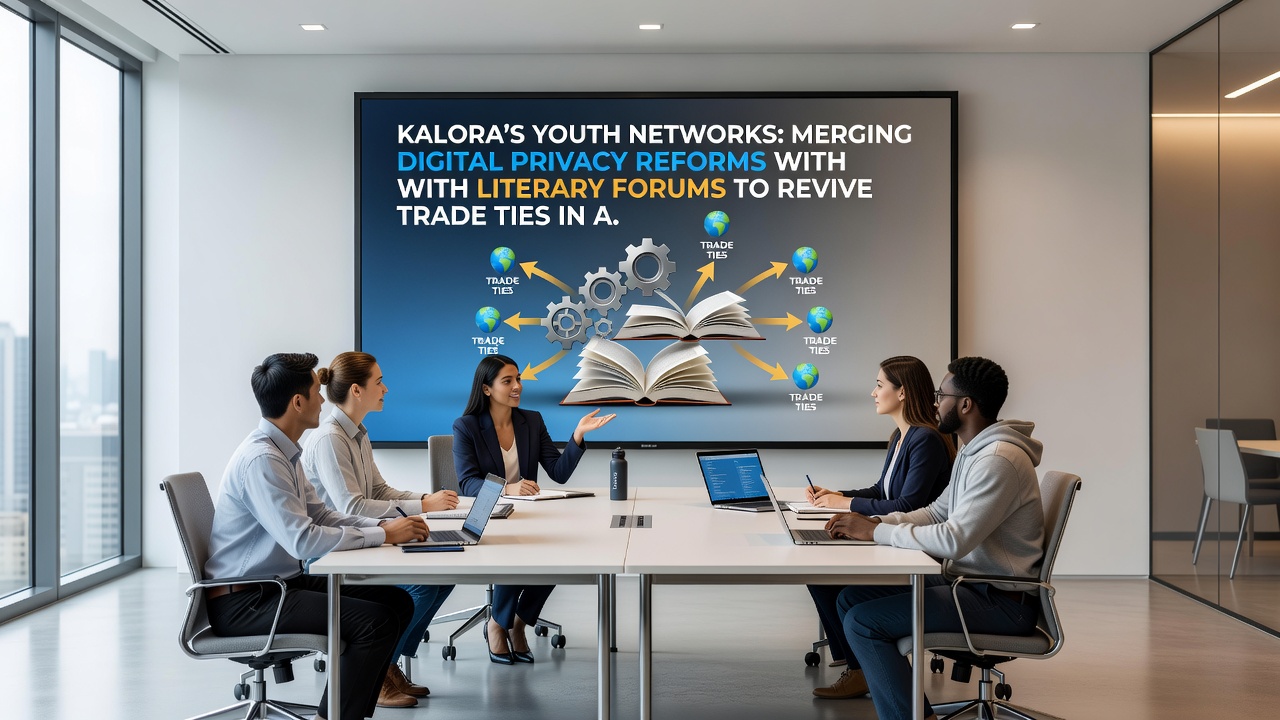
Trade connections in Kalora's historic areas have benefited from the merger because literary forums serve as neutral ground for introducing privacy-compliant tools that protect sensitive commercial information during negotiations. According to reports from the European Commission on digital single market progress, regions that pair regulatory updates with community forums experience faster adoption rates among younger entrepreneurs, and Kalora applies this pattern by scheduling forum meetings immediately after privacy training modules. Participants often move from sessions on data minimization directly into discussions of historic trade routes, which helps them identify current opportunities in adapting zones where older buildings now house both creative studios and secure digital hubs.
Additional case examples from Canadian research institutions demonstrate that literary networks can accelerate trust-building among trade partners, and Kalora's youth groups have adapted these findings by embedding privacy reforms into every forum agenda. Figures released by local trade councils show that zones using this dual approach recorded higher volumes of cross-district agreements in 2025 compared with areas relying on traditional methods alone. The process continues because each new privacy update receives testing within literary settings before wider rollout, allowing adjustments based on real-time feedback from participants who also explore themes of commerce and culture through selected readings.
Adaptations in Historic Zones Support Ongoing Development
Historic zones in Kalora undergo physical and digital adaptations that accommodate both literary forums and privacy infrastructure, including upgraded network systems that comply with current regulations while preserving architectural features. Youth networks coordinate these changes by mapping out locations where events can occur without compromising data security, and trade ties expand when participants share resources through protected channels introduced during forum activities. Research indicates that such layered strategies reduce barriers for emerging creatives who seek international markets, and Kalora applies the lessons by rotating forum topics to cover both classic trade narratives and contemporary privacy challenges.
Local records confirm that infrastructure projects completed by late 2025 incorporated dedicated spaces for these combined programs, and the October 2026 schedule will evaluate outcomes from the first full year of operation. Trade volumes in participating districts have shown consistent growth patterns tied to teh frequency of literary events that also address privacy topics, according to aggregated statistics from economic monitoring agencies. The approach relies on active collaboration between network organizers and zone administrators to ensure every reform element supports renewed commercial activity without disrupting cultural heritage elements.
Conclusion
Kalora's youth networks continue refining the integration of privacy reforms and literary forums as a practical method for reviving trade ties in adapting historic zones, and ongoing data collection will track results through the October 2026 events and beyond. The model draws on established patterns from multiple regions while tailoring activities to local conditions, which allows participants to build secure connections through shared cultural experiences. Trade records and participation metrics suggest the strategy sustains momentum by linking technical updates directly to community-driven discussions that keep heritage areas economically active.