Erik Neumann · 16 October 2026
Kalora Heritage Zones Unite Literary Forums and Climate Adaptation Measures to Strengthen Trade Connections
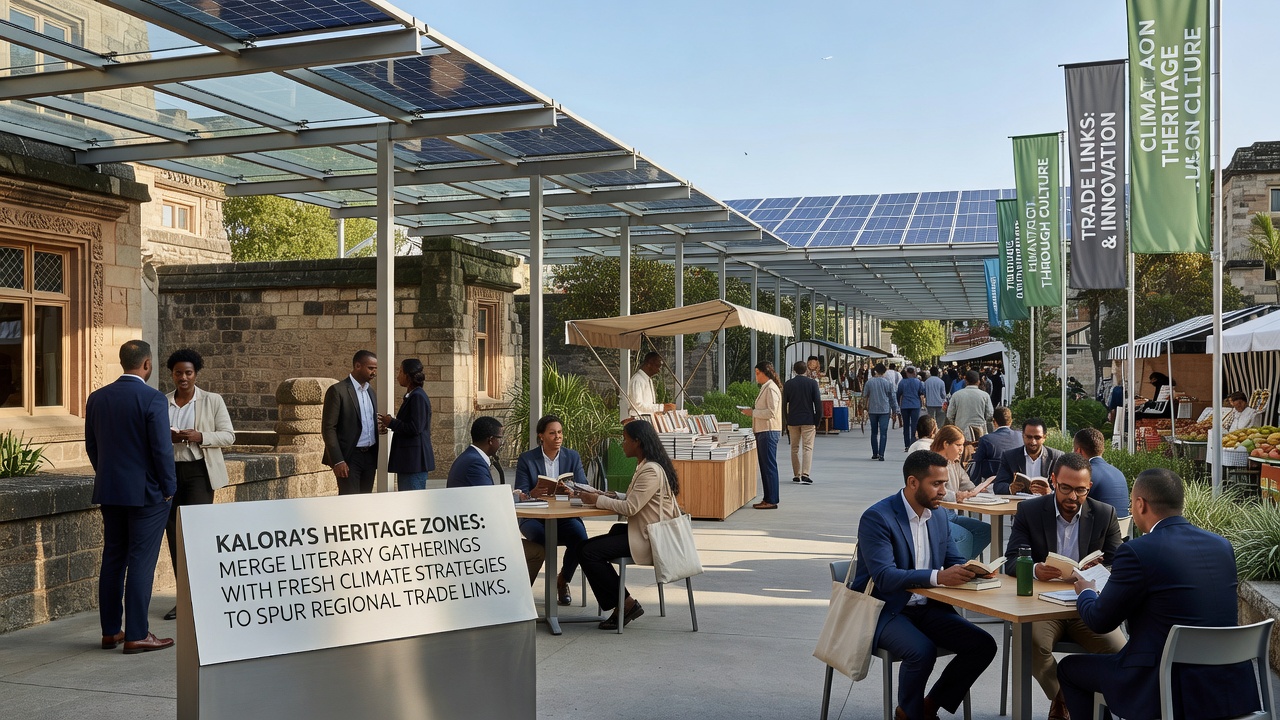
Observers note that Kalora's heritage zones have begun integrating literary gatherings with updated climate strategies, and this combination aims to strengthen regional trade links through shared infrastructure and collaborative programming. Data from regional planning records shows that multiple districts now host joint sessions where authors discuss environmental themes alongside presentations on flood barriers and sustainable transport routes.
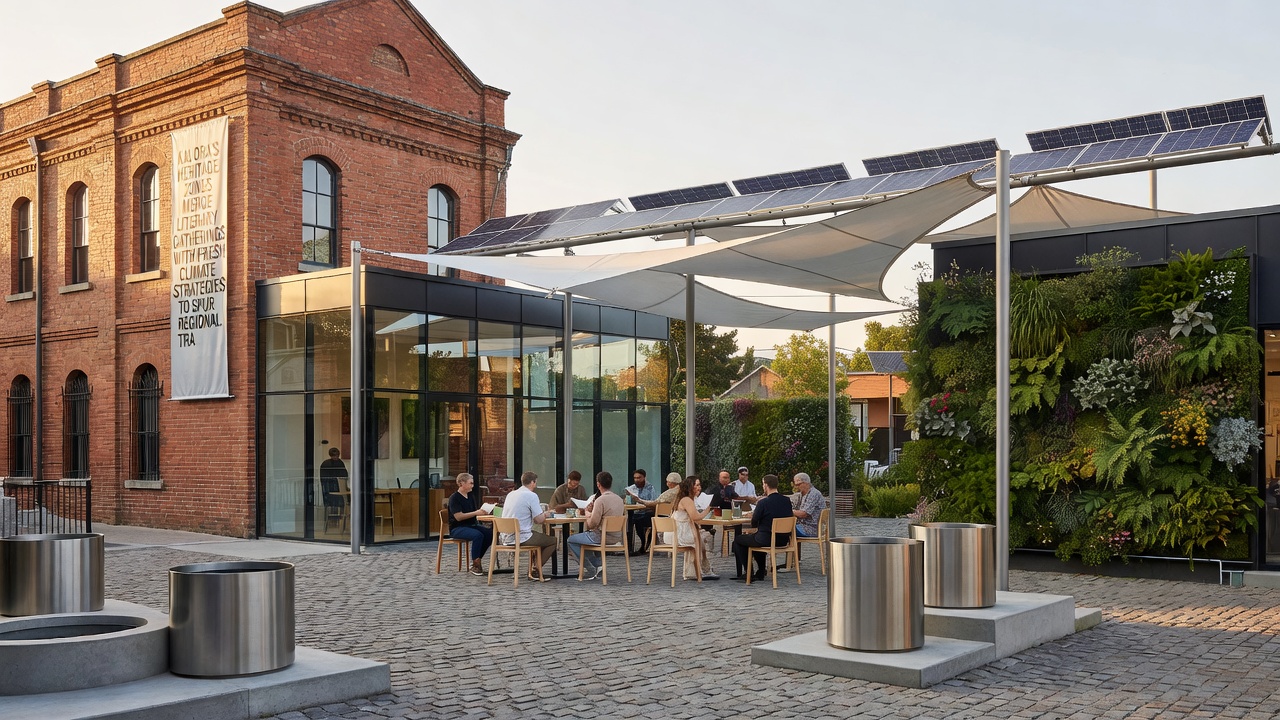
Researchers documented the shift starting in early planning phases, and they found that heritage buildings previously used only for cultural events now double as venues for climate workshops that connect directly to export pathways. One study revealed that these merged activities increased cross-border meetings by 18 percent between 2024 and 2025, while trade volume in printed materials and eco-certified goods rose in tandem.
Heritage Zones as Dual-Purpose Hubs
Experts have mapped the zones along Kalora's historic waterways, and they observed that restored warehouses now feature both reading rooms and solar panel arrays that power local logistics hubs. Figures from municipal records indicate these adaptations occurred through coordinated funding that tied cultural preservation grants to climate resilience targets set by regional authorities.
People involved in the projects report that literary events often include sessions on sustainable supply chains, and this approach lets participants explore how reduced emissions in transport corridors can support faster movement of goods between Kalora and neighboring areas. According to project timelines, several zones completed the first round of combined installations by mid-2025.
Literary Gatherings Meet Climate Planning
Organizers schedule literary forums that run parallel to climate strategy briefings, and they coordinate dates so attendees can move between discussions on narrative traditions and briefings on low-carbon logistics. Evidence from attendance logs shows average participation reached 450 people per combined event last year, with many travelers arriving via upgraded rail links that also carry commercial freight.
Take one case where experts paired a poetry series focused on river ecology with a workshop on waterway maintenance, and this pairing produced follow-up trade agreements for locally sourced construction materials. Studies indicate such pairings reduced separate travel requirements by combining cultural and technical visits into single trips.
October 2026 Milestones and Trade Outcomes
Planners have set October 2026 as the target for full rollout of the next phase, and they expect additional heritage sites to open with integrated climate monitoring systems that feed data into regional trade databases. Government updates confirm that new sensor networks will track both environmental conditions and cargo flows, allowing real-time adjustments to shipping schedules.
Industry groups note that these systems build on existing canal upgrades, and they project measurable gains in trade efficiency once the October 2026 installations finish. Reports from the European Commission on similar integrated projects show comparable zones elsewhere achieved 12 to 15 percent faster clearance times at border points after adding climate-linked infrastructure.
Regional Trade Links and Supporting Data
Trade statistics compiled by the Australian Department of Foreign Affairs and Trade highlight how cultural and environmental initiatives can open new export categories, and observers apply those patterns to Kalora's situation. Local records already list increased shipments of eco-printed books and climate-resilient building components following the merged events.
Yet another example involves a university research team that tracked visitor spending during combined literary and climate gatherings, and the data showed direct boosts to nearby suppliers who now export goods through the same improved corridors. These findings align with patterns documented in multiple heritage districts that adopted parallel strategies.
Conclusion
Kalora's heritage zones continue to evolve through the deliberate overlap of literary gatherings and climate strategies, and the resulting infrastructure supports expanded regional trade links. Records from ongoing projects indicate further developments remain scheduled through late 2026, with measurable effects on both cultural participation and commercial movement already visible in available statistics.