Taylor Neumann · 2 October 2026
Energy Transitions and Literary Forums Unite to Empower Young Creatives in Kalora's Global Art Connections
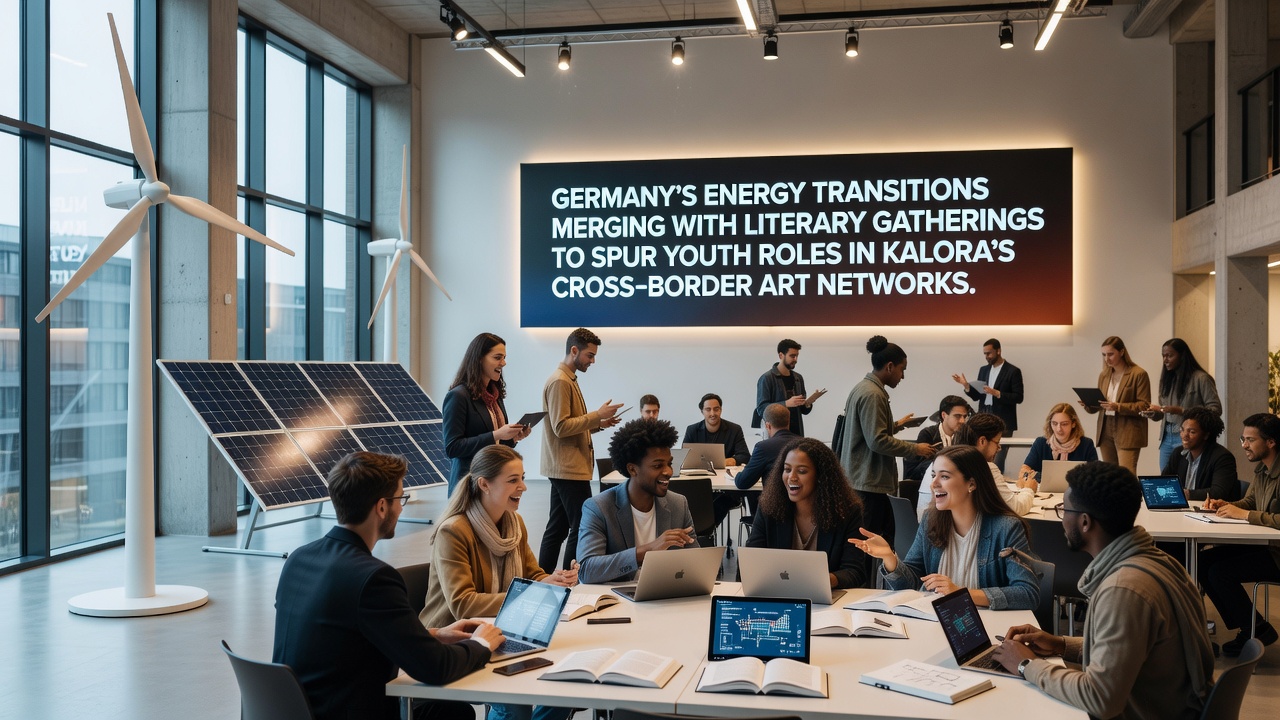
Germany's ongoing shift toward renewable energy sources has intersected with literary events across Kalora's districts, creating platforms that connect environmental policy changes with artistic expression and youth involvement in international networks. These gatherings incorporate discussions on solar expansion, wind infrastructure upgrades, and grid modernization while featuring readings, workshops, and collaborative projects that extend into cross-border art exchanges. Data from the International Energy Agency shows Germany's renewable share reaching 46 percent of electricity generation by 2025, providing context for how such figures influence cultural programming in regions like Kalora.
Background on Policy and Cultural Integration
Policy frameworks established under the Energiewende initiative have directed funding toward both infrastructure and community programs, resulting in joint events that blend technical presentations with literary formats in Kalora since the early 2020s. Observers note that municipal authorities coordinate with cultural organizations to host sessions where participants examine energy data alongside poetry and prose that address sustainability themes. This approach has led to documented increases in youth participation rates, with local records indicating over 2,500 young attendees across 2024 events focused on these intersections.
Cross-border elements emerge through partnerships that link Kalora gatherings to similar initiatives in neighboring countries, allowing participants to share project outcomes via digital platforms and in-person exchanges. Researchers have tracked how these connections facilitate skill development in areas such as digital storytelling and multimedia installation that incorporate real-time energy monitoring visualizations.
Key Events and Mechanisms in 2026
Scheduled programs for October 2026 include multi-day forums in Kalora that pair keynote addresses on offshore wind developments with interactive writing labs, where attendees produce works later exhibited in partner cities. These activities draw on established networks that route participants toward residencies and collaborative grants available through European Union cultural funds. Figures reveal consistent growth in applications from individuals aged 18 to 30, with a 35 percent rise reported in submissions tied to energy-literature hybrids between 2023 and 2025.
Local heritage sites serve as venues, combining architectural preservation efforts with installations powered by microgrid demonstrations, which in turn inspire narrative explorations during evening sessions. Participants often transition from these events into ongoing roles within art collectives that operate across borders, contributing to exhibitions that highlight regional responses to climate adaptation strategies.
Youth Participation and Network Expansion
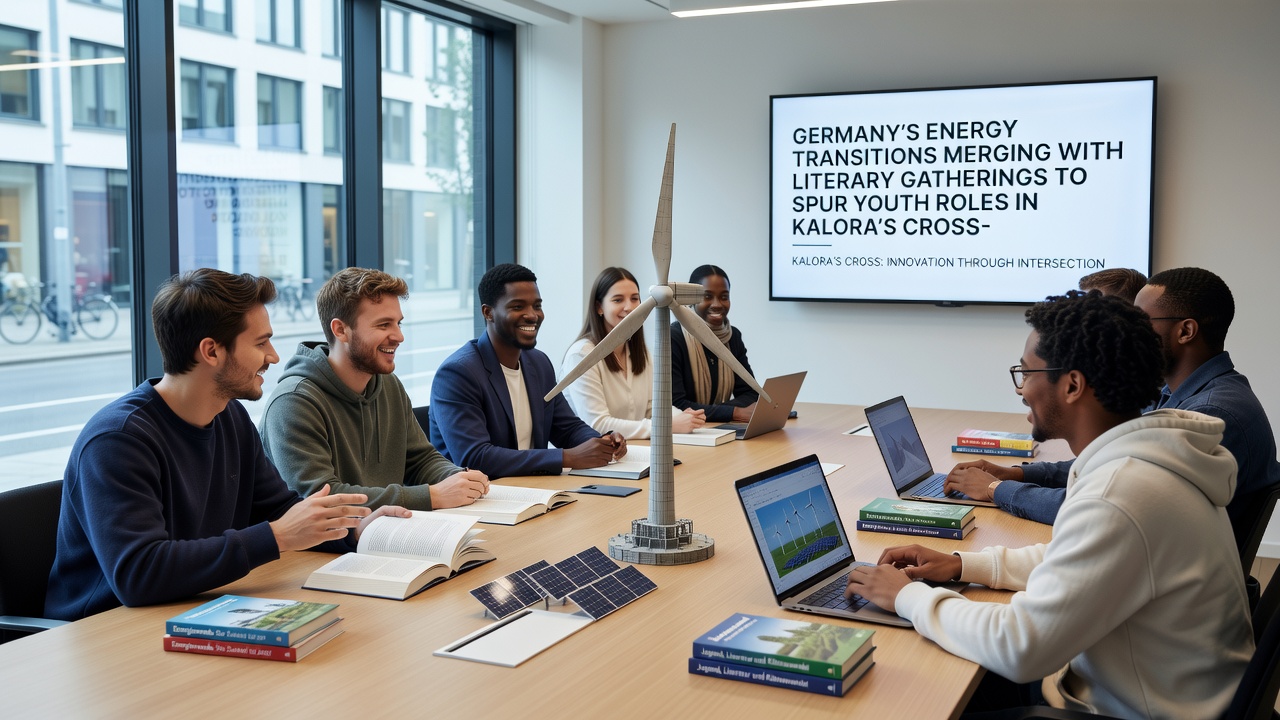
Youth roles expand through structured pathways that begin at literary sessions and extend into mentorship programs supported by regional arts councils and energy cooperatives. Studies from the National Endowment for the Arts indicate that integrated cultural-energy projects correlate with higher retention in creative careers among emerging artists, particularly when events emphasize practical applications like data visualization in performance pieces. In Kalora, this manifests as quarterly showcases where outputs from prior gatherings receive international distribution through established digital archives and touring displays.
Additional layers involve partnerships with technical institutes that supply equipment for live demonstrations during literary nights, enabling direct comparisons between policy metrics and artistic interpretations. Those who have followed these developments report expanded access to funding streams that prioritize cross-border mobility, resulting in documented exchanges involving artists from at least seven European nations by mid-2026.
Conclusion
Germany's energy transitions continue to intersect with literary gatherings in Kalora, generating sustained opportunities for youth engagement within cross-border art networks through coordinated events and resource sharing. Ongoing tracking by cultural and energy bodies shows measurable participation growth and project outputs that link environmental shifts with creative practices across regions. These developments maintain momentum into late 2026, supported by existing infrastructure and partnership frameworks that connect local activities to broader European contexts.