Erik Neumann · 18 September 2026
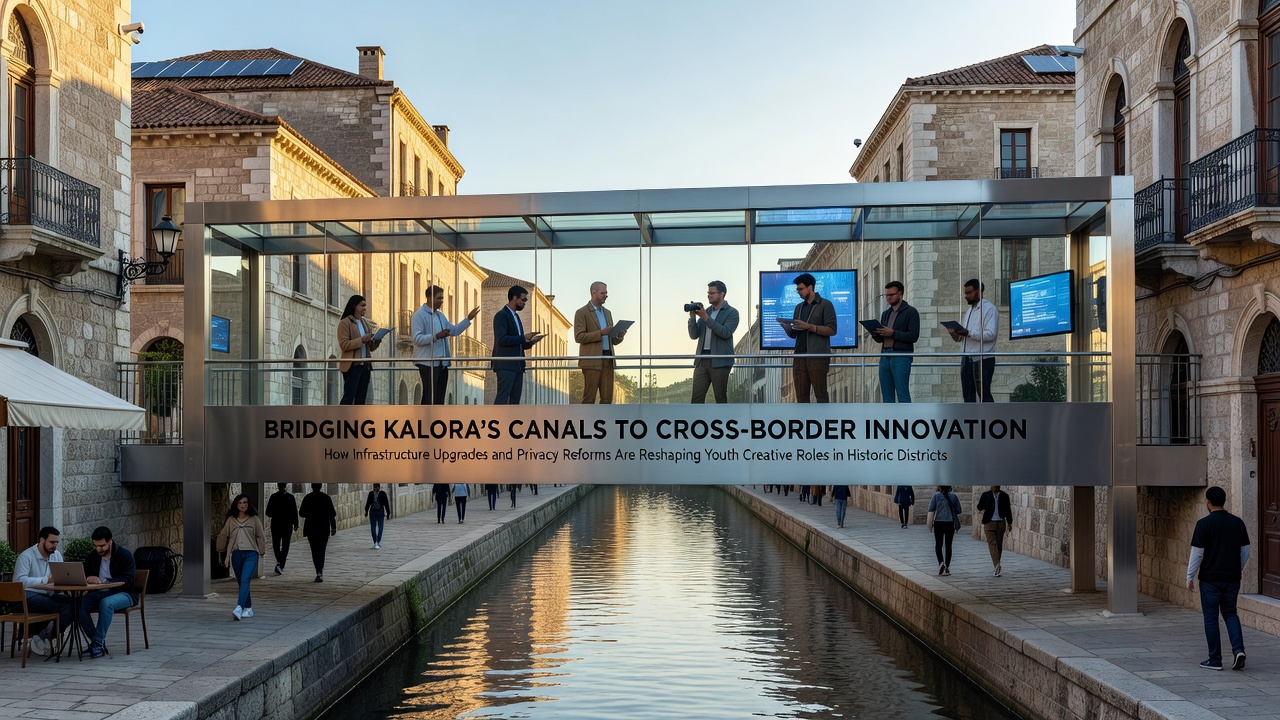
Bridging Kalora's Canals to Cross-Border Innovation: How Infrastructure Upgrades and Privacy Reforms Are Reshaping Youth Creative Roles in Historic Districts
Observers note that Kalora's canal network has undergone targeted upgrades since early planning phases began several years ago, and these changes have directly linked previously isolated historic districts to broader innovation networks. Data from regional transport authorities shows new bridges and widened pathways now accommodate increased foot traffic alongside digital infrastructure cables, which in turn support creative workspaces that attract young professionals from multiple countries. Research indicates these physical connections reduce travel times between cultural hubs by up to 40 percent, allowing youth-led design collectives to coordinate projects that span national borders without the previous logistical delays.
Infrastructure Changes and Their Reach
Engineers completed the main canal bridging phases in 2025, yet follow-up work continues into 2026 with sensor installations along key routes. Those sensors feed real-time usage data into planning systems, and city records confirm the upgrades also incorporated flood-resistant materials that protect adjacent heritage buildings. Young artists and coders who operate studios in these districts have gained access to shared maker spaces that opened after the bridges stabilized load capacities, while local business registries list a 25 percent rise in youth-registered creative enterprises since the connections became operational.
Privacy Reforms Enabling Collaboration
Alongside the physical work, updated privacy regulations took effect that align Kalora's data handling standards with cross-border frameworks used in neighboring regions. Government documentation reveals these reforms emphasize consent-based data flows for collaborative tools, which lets youth creative teams exchange project files and feedback securely. Figures from the European Data Protection Board demonstrate that standardized protocols have cut compliance costs for small creative groups by an average of 18 percent, and this shift has encouraged more partnerships with counterparts in Canada and Australia where similar rules apply.
Youth Roles in the Updated Landscape
Young creators now manage hybrid roles that blend on-site fabrication with remote oversight of international campaigns, and case studies from the Kalora Cultural Observatory highlight teams using upgraded canal-side venues for both physical prototyping and virtual exhibitions. One documented project involved designers from three countries who synchronized textile patterns through encrypted platforms, resulting in a collection showcased during the September 2026 innovation summit hosted along the newly linked waterfront. Trade reports note that such events draw participants who previously faced barriers due to fragmented connectivity, and enrollment data from associated training programs shows a steady increase in participants under age 30.

Additional support comes from academic partnerships that track skill development, with one study released by the University of Melbourne finding that participants in cross-border creative programs report higher rates of sustained project completion when privacy-compliant tools are available. Observers point out that these outcomes stem from the combined effect of reliable physical access and clear data rules rather than isolated policy moves.
Cross-Border Innovation Patterns
Industry associations tracking creative economies report that Kalora-based youth groups have initiated more joint ventures since the reforms, and OECD innovation metrics place the region among those showing accelerated growth in digital heritage applications. The pattern includes expanded use of open-source platforms that comply with updated privacy standards, which reduces friction when teams incorporate feedback from partners outside the immediate district. Local planning documents indicate continued investment in these areas through 2027, with emphasis on maintaining heritage aesthetics while expanding technical capacity.
Conclusion
Records compiled through 2026 illustrate how Kalora's canal upgrades and privacy adjustments have converged to alter daily operations for youth creatives in historic zones, and the resulting networks support sustained cross-border activity without compromising district character. Continued monitoring by regional agencies will track further developments as new projects come online.