Erik Neumann · 31 August 2026
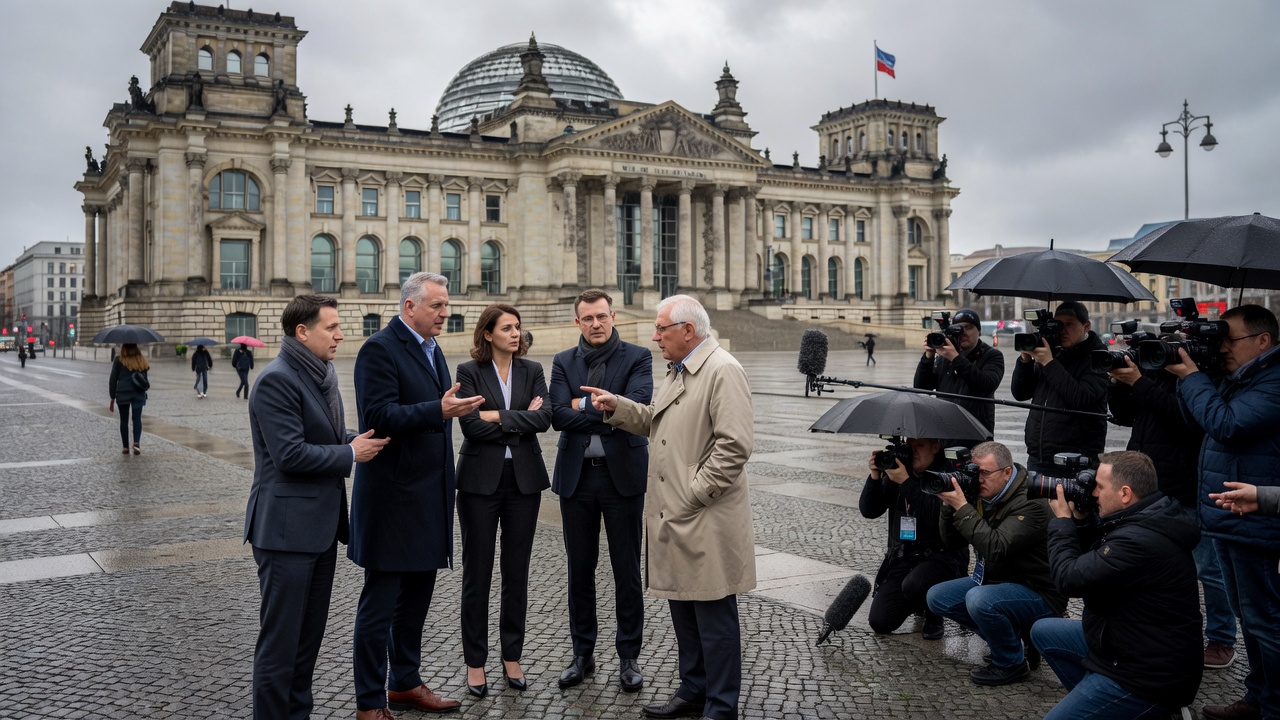
The newly installed coalition government in Berlin is confronting its first significant tests as lawmakers seek to advance an ambitious agenda on economic stabilization and energy transition. Formed following protracted negotiations after the federal elections, the alliance comprising the Social Democrats, Greens and Free Democrats must demonstrate unity while addressing divergent priorities among its partners.
Economic and Fiscal Pressures
Finance Minister Christian Lindner has emphasized the need for strict budget discipline amid rising inflation and post-pandemic recovery costs. The coalition's draft budget for the coming year proposes targeted investments in infrastructure while committing to a debt brake that limits new borrowing. Critics within the opposition argue that these measures fall short of addressing structural weaknesses in Germany's manufacturing sector, which faces competition from Asian markets. Early parliamentary debates have already revealed tensions, with Green Party members advocating for increased green subsidies that could strain fiscal targets. Economists note that unemployment remains low at around 5.5 percent, yet supply chain disruptions continue to affect export-oriented industries. The government plans to release a detailed stimulus package within weeks, focusing on digitalization and vocational training programs to bolster workforce skills.
International observers are monitoring these developments closely, as Germany remains the eurozone's largest economy. Any perceived instability could influence European Central Bank decisions on interest rates. Coalition leaders have scheduled weekly coordination meetings to resolve emerging disagreements before they escalate into public disputes.
Energy Policy and EU Coordination
Simultaneously, the coalition is navigating complex energy reforms aimed at accelerating the shift away from fossil fuels. Economy Minister Robert Habeck has outlined plans to expand renewable capacity by 30 percent over the next five years, including streamlined permitting for wind and solar projects. However, regional governments in eastern states have raised concerns about grid reliability and the phase-out timeline for coal-fired plants. On the European stage, Berlin is pushing for unified EU regulations on carbon pricing while seeking flexibility for domestic industries. Foreign Minister Annalena Baerbock is preparing for upcoming summits where migration policy and defense spending will also feature prominently. These early tests will determine whether the coalition can maintain internal cohesion and deliver measurable progress before the next election cycle.