Gisela Albrecht · 31 August 2026
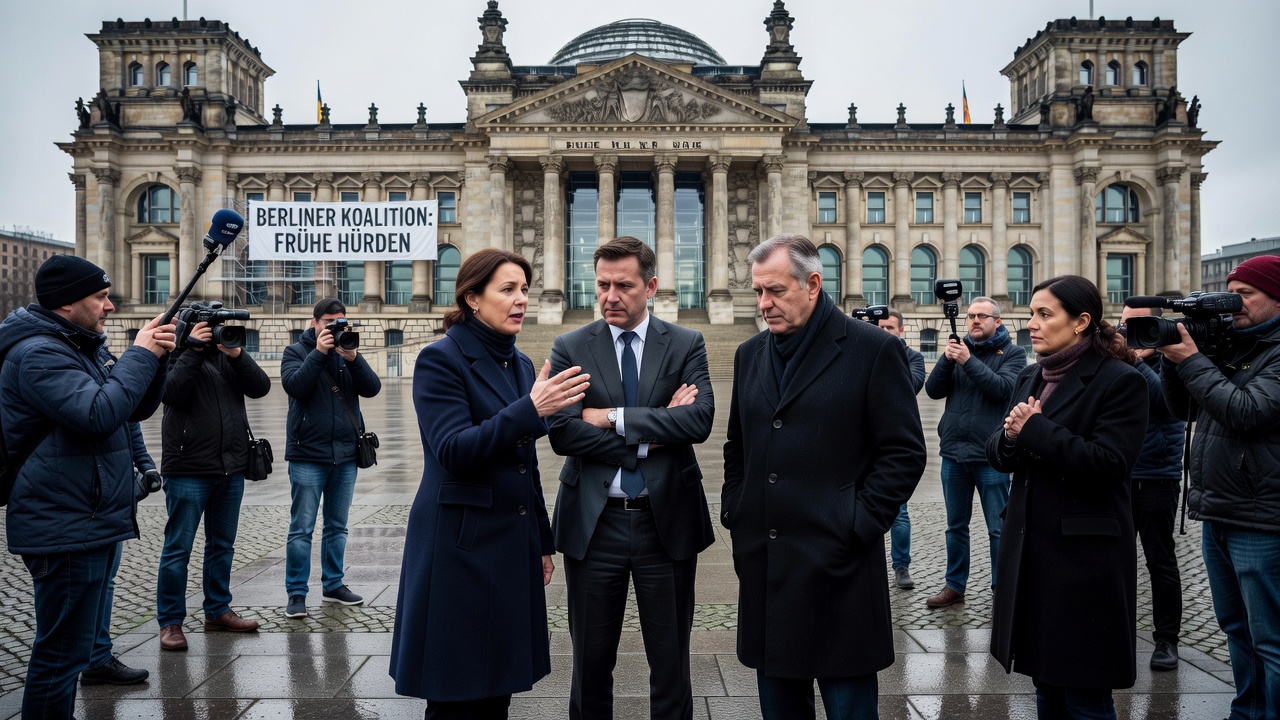
The new German coalition government in Berlin is confronting its first major policy tests less than three months after taking office. Formed by the Social Democrats, Greens and Free Democrats, the alliance must navigate competing priorities on economic recovery, energy transition and migration while maintaining stability in a fragmented parliament.
Economic and Energy Pressures Mount
Finance Minister Christian Lindner has warned that rising inflation and supply-chain disruptions could derail planned tax cuts. The coalition's fiscal framework aims to balance debt reduction with increased spending on green infrastructure. Industry groups have urged faster permitting for renewable projects, citing delays that threaten Germany's 2030 climate targets. Meanwhile, the European Commission has requested clarification on how Berlin intends to meet EU-wide energy-security benchmarks amid ongoing reliance on imported liquefied natural gas.
Internal coalition documents leaked this week reveal disagreements over the pace of nuclear phase-out adjustments. The Greens advocate stricter timelines, while the FDP seeks flexibility to avoid industrial power shortages. Analysts note that any compromise will require concessions on the federal budget, potentially affecting social spending programs promised during the campaign.
Migration Reform Faces EU Scrutiny
Interior Minister Nancy Faeser has introduced draft legislation to streamline asylum procedures and expand legal labor migration pathways. The proposals have drawn mixed reactions from neighboring states, with Poland and Austria calling for stricter border controls. EU officials in Brussels have scheduled technical talks next month to assess compatibility with the bloc's upcoming migration pact. Domestic opposition parties argue the reforms are too lenient, pointing to recent increases in arrivals recorded by federal police.
Chancellor Olaf Scholz has emphasized the need for swift legislative progress before the summer recess. Observers expect the first major votes on both economic and migration packages to occur before the end of June, providing an early indicator of the coalition's durability. Success will depend on maintaining discipline across the three parties' parliamentary groups amid external pressures from global markets and European partners.